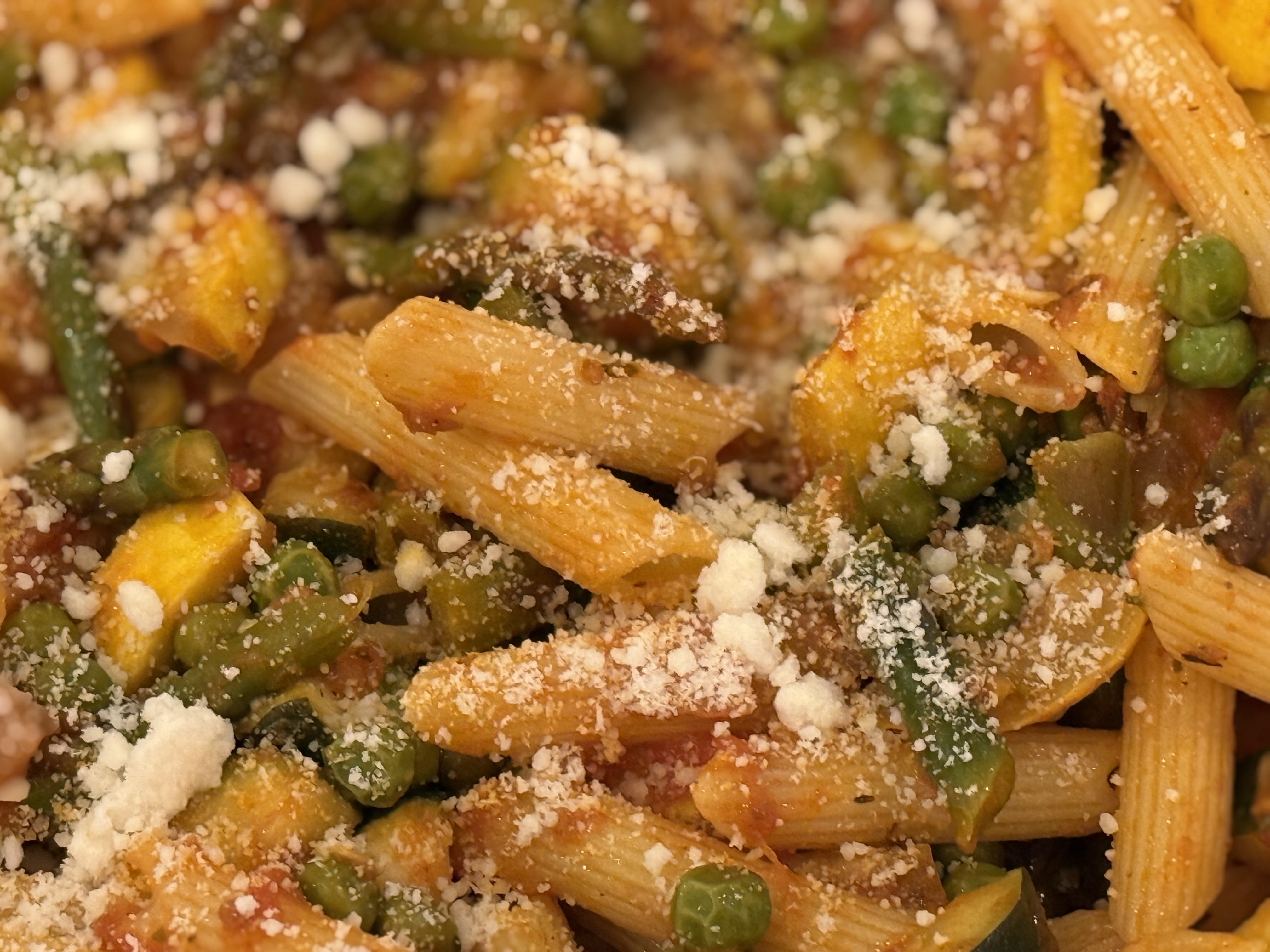
Master Pasta Primavera: Seasonal Swaps for Your Perfect Spring Vegetable Dish
As the days grow longer and the world awakens with vibrant hues, there's no dish that encapsulates the essence of spring quite like Pasta Primavera. Meaning "spring pasta" in Italian, this iconic dish is a glorious celebration of fresh, seasonal vegetables tossed with pasta in a rich, often creamy, sauce. More than just a recipe, it's an invitation to embrace the bounty of the season, a culinary canvas waiting for your personal touch.
While often associated with luxurious dining, Pasta Primavera effortlessly straddles the line between decadent indulgence and wholesome goodness. It's a testament to the idea that a truly satisfying meal can be packed with nutrients without sacrificing an ounce of flavor – a delicious disguise for a generous serving of vegetables, if you will. The beauty of this dish lies not only in its taste but also in its incredible adaptability, making it a staple for home cooks and celebrated chefs alike.
The Enduring Legacy of Pasta Primavera: From Le Cirque to Your Table
To truly appreciate Pasta Primavera, one must acknowledge its storied origins. This legendary dish didn't spring forth from ancient Italian traditions but was, in fact, an innovation of the 1970s, famously born in the kitchens of Le Cirque, a renowned French restaurant in New York City. The culinary world owes a debt of gratitude to Sirio Maccioni, the visionary restaurateur behind Le Cirque, who is often credited with its creation.
Le Cirque was a beacon of fine dining, a place where celebrity and culinary excellence converged. It’s said that the Pasta Primavera was initially conceived as a way to highlight the freshest spring produce available, offering a lighter, vibrant option amidst the often heavier fare of classical French cuisine. The original version, as served at Le Cirque, was known for its unapologetic richness, featuring a generous blend of butter and cream that delivered an undeniably restaurant-quality finish. It was this perfect balance of exquisite flavor and fresh ingredients that etched Pasta Primavera into the culinary consciousness.
For many, like those who experienced Le Cirque as a memorable first foray into fine dining, the memory of that swoon-worthy pasta has lingered. It became an instant classic, inspiring countless variations and cementing its place as a springtime favorite across the globe. While Le Cirque may have closed its doors, its legacy lives on through this magnificent dish, proving that true culinary innovation has an enduring power.
Why Seasonal Swaps are Key to the Perfect Pasta Primavera
The very name "Primavera" dictates the soul of this dish: spring. This isn't merely a suggestion; it's a fundamental principle for achieving the most vibrant and flavorful Pasta Primavera. Basing your vegetable choices on what’s seasonally available offers a multitude of benefits:
- Unmatched Flavor and Freshness: Vegetables harvested in their peak season offer the best taste, texture, and nutritional value. They are naturally sweeter, crisper, and more aromatic, elevating the entire dish.
- Nutritional Punch: Seasonal produce often retains more of its vitamins and minerals because it hasn't traveled long distances or been stored for extended periods.
- Economic Advantage: When produce is in season, it's typically more abundant and therefore more affordable, allowing you to fill your dish with a wider variety without breaking the bank.
- Sustainable Choice: Opting for local, seasonal produce reduces the environmental impact associated with long-distance transportation and industrial farming practices.
The beauty of Pasta Primavera lies in its inherent flexibility. While many recipes trace their lineage back to the original Le Cirque version, none are so rigid that they forbid personal interpretation. Think of the "original recipe" as a masterful blueprint, not a strict dogma. Feel absolutely empowered to switch and change the vegetables to your tastes, what’s in season where you are, or simply what looks best at your local market.
Crafting Your Ideal Pasta Primavera: Vegetable Power-Ups and Flavor Boosts
The joy of Pasta Primavera is in its adaptability. While some vegetables are classic spring staples, the true essence of the dish encourages you to explore and personalize. Here’s a guide to creating your perfect spring medley:
Classic Spring Staples:
- Asparagus: The quintessential spring vegetable. Snap off the woody ends and cut into bite-sized pieces. Its slightly bitter, earthy flavor pairs beautifully with creamy sauces.
- Peas (Fresh or Frozen): Sweet, vibrant green peas are a must for many. Add them towards the end of cooking to retain their bright color and pop.
- Snap Peas or Snow Peas: Offering a delightful crunch, these can be lightly blanched or quickly sautéed.
- Broccoli Florets or Broccolini: Break into small florets and blanch until tender-crisp. Adds a satisfying bite and earthy flavor.
- Spinach: Fresh spinach wilts down beautifully into the sauce, adding a delicate green hue and subtle taste.
- Zucchini or Yellow Squash: Cut into small dice or thin half-moons. Sauté lightly until tender but still firm.
Beyond the Expected: Expanding Your Spring Palette:
- Fava Beans: If you're feeling adventurous, fresh fava beans, double-peeled, offer a buttery, sweet addition.
- Artichoke Hearts: Quartered fresh or frozen artichoke hearts bring a wonderful texture and tangy note.
- Radishes: Thinly sliced and added raw or very lightly sautéed, they can offer a surprising peppery bite and vibrant color.
- Leeks: The white and light green parts, thinly sliced and sautéed, provide a subtle oniony sweetness.
Year-Round Additions (with a nod to original recipes):
Some historical versions of Pasta Primavera, including the Le Cirque recipe, incorporated ingredients that aren't strictly "spring" but add depth and complexity:
- Mushrooms: Sliced cremini or button mushrooms, sautéed until golden, bring an umami richness.
- Garlic: Essential for building the flavor base, finely minced garlic should be gently sautéed until fragrant.
- Cherry Tomatoes: While some purists argue tomatoes are more summer, a handful of halved cherry tomatoes can add a burst of sweetness and acidity, and were present in some early versions.
- Pine Nuts: Toasted pine nuts, though not always common in modern recipes, were a feature of the original Le Cirque dish and add a lovely buttery crunch.
Practical Tip: Prepare your vegetables separately. Blanch harder vegetables (asparagus, broccoli) until tender-crisp, and sauté softer ones (zucchini, mushrooms) quickly. This ensures each vegetable retains its unique texture and flavor, preventing mushiness and overcooking.
Mastering the Sauce: Creamy Indulgence or Lighter Fare?
The sauce is the heart of Pasta Primavera, binding the fresh vegetables and pasta into a harmonious whole. The original Le Cirque rendition was known for its luxuriant, unapologetically rich sauce, often featuring a generous blend of butter and heavy cream, sometimes enriched with cheese like Parmesan or Pecorino. This creates that truly restaurant-quality finish that makes every bite feel like an occasion.
However, the beauty of the dish lies in its ability to adapt to your preferences and dietary considerations. You have the power to tailor the sauce to be as decadent or as light as you desire:
- The Classic Indulgence: For an authentic Le Cirque-inspired experience, embrace the richness. Sauté garlic in butter, add heavy cream and let it gently reduce, then toss with pasta and vegetables. A generous grating of freshly grated Parmesan cheese will melt into the sauce, adding depth and a salty tang.
- Lightening the Load: If you're calorie-conscious or prefer a less heavy dish, there are excellent ways to reduce the richness without sacrificing flavor:
- Cream Alternatives: Swap heavy cream for half-and-half, light cream, or even evaporated milk for a creamy texture with less fat.
- Pasta Water Magic: Reserve some of the starchy pasta cooking water. This liquid is a chef’s secret weapon, helping to emulsify the sauce and create a luscious, glossy coating with less fat. A tablespoon or two can transform a simple broth-based sauce.
- Broth Base: Start with a base of high-quality vegetable broth, deglaze with a splash of white wine, and finish with a small amount of cream or a dairy-free alternative.
- Less Butter: Use olive oil for sautéing your vegetables, and reduce the amount of butter in the sauce itself.
- Yogurt or Crème Fraîche: Stir in a dollop of plain Greek yogurt or light crème fraîche at the very end (off the heat) for a creamy, tangy finish.
Regardless of your chosen path, remember to taste and adjust. A squeeze of fresh lemon juice at the end can brighten the entire dish, cutting through any richness and enhancing the fresh vegetable flavors.
Beyond the Basics: Creative Twists and Serving Suggestions
Once you’ve mastered the core elements of Pasta Primavera, the door opens to endless creative possibilities:
- Herb Power: Fresh herbs are non-negotiable. Finely chopped basil, parsley, dill, chives, or a hint of fresh mint can transform the flavor profile. Add them at the very end to preserve their vibrant taste and color.
- Acid and Zing: A generous squeeze of fresh lemon juice or a shower of lemon zest can dramatically lift the dish, making all the other flavors pop. A splash of white wine added to the pan after sautéing garlic can also add a delightful acidity.
- Protein Boost: While traditionally meatless, Pasta Primavera welcomes additions. Consider pan-seared scallops, grilled shrimp, shredded rotisserie chicken, or even plant-based proteins like cannellini beans or chickpeas for a heartier meal.
- Spice It Up: A pinch of red pepper flakes can add a subtle warmth and kick, especially if you enjoy a little heat.
- Pasta Perfection: Choose a pasta shape that complements the vegetables and sauce. Fettuccine, linguine, farfalle (bow ties), penne, or even a classic spaghetti are all excellent choices, as their shapes can hold the sauce and tender vegetables beautifully.
When serving, always finish with a fresh grating of Parmesan or Pecorino cheese, a drizzle of high-quality extra virgin olive oil, and a sprinkle of freshly chopped herbs. This elevates not just the taste but also the visual appeal of your masterpiece.
Pasta Primavera is more than just a recipe; it's a philosophy of cooking that celebrates seasonality and versatility. From its glamorous beginnings at Le Cirque to countless home kitchens today, it continues to be a beloved dish that perfectly encapsulates the joy and freshness of spring. So, gather your finest seasonal bounty, unleash your culinary creativity, and prepare to master a dish that is truly a taste of springtime on a plate. Enjoy the process of making it your own, and savor every fresh, vibrant bite.
